BLOG
Mosaic Construction Announces Launch of New Medical Office Project for TCA Health on Chicago’s South Side
CHICAGO, IL – Mosaic Construction, LLC, a full-service design-build commercial and multifamily renovation firm, is pleased to announce the start of construction on a new medical office renovation project for TCA Health, a medical clinic serving an at-risk community on Chicago’s far south side at 1029 East 130th Street.
The 2,700-square-foot, grant-funded project will update and transform the patient reception area, waiting rooms, private offices, counsel rooms, and connecting corridors in the East Wing to match an earlier renovation of the building. Demolition and renovation of the East Wing started in May 2020 and will feature new lighting, flooring, paint, acoustic ceiling tiles, stainless steel corner guards, and other finishes complementing the facility.
“We are proud to partner with TCA Health on their East Wing renovation and contribute to a bright, happy and positive environment for both patients and staff as they provide much-needed integrated primary care and behavioral health services to the Chicago south side community,” said Ira Singer, Principal at Mosaic Construction.
“This new project represents the continued expansion of our work in the healthcare sector including medical office renovation services, interior construction of assisted living and independent living facilities, ambulatory care centers and similar spaces,” continued Singer. “It’s also a great opportunity for us to work with new trade partners and to reinforce our partnership with Manske Dieckmann Thompson, an architecture firm that has been involved with the original building renovation since the beginning.”
“We appreciate the service excellence, ongoing communication, and neat professional workspace that the Mosaic Construction team has been maintaining thus far,” said Samantha Oliver Mitchell, Chief Operating Officer at TCA Health, Inc. As an essential service during this unique time of operating during COVID-19, Mosaic Construction has instituted unprecedented protocols to support workers and trade partners on all of their job sites, including providing personal protective equipment, using increased sanitation and signage, staggering trade partners’ presence onsite, and scheduling multiple shifts to promote social distancing.
Mosaic Construction offers commercial, multifamily and residential design-build services and is a brand affiliated with Design Construction Concepts and Cannabis Facility Construction. Led by Andy Poticha, Ira Singer and Mike Frazin, Mosaic’s teams deliver uncompromising customer service as they realize client visions in locations across the United States. For more information, visit mosaicconstruction.net, dcc-inc.net, and cannabisfacility.net.
Increasing multifamily renovation ROI in a time of COVID-19 By Ira Singer, RE Journals

Our Principal Ira Singer shares his insights on how multifamily investors can achieve the greatest ROI on their properties through value-add renovations while ensuring that workers are practice COVID-19 protocol. With a recession looming, Ira discusses how choosing building improvement projects carefully is more important than ever before. For multifamily owners and investors, it’s essential not to over-improve a building; updates that reflect the asset class of the property are most advisable and should be designed to drive occupancy and increase rents.
Read more of Ira’s thoughts on RE Journals.
Ira Singer, Principal of Mosaic Construction, Featured on Making Money in Multifamily Podcast with Dave Morgia, Longview Acquisitions
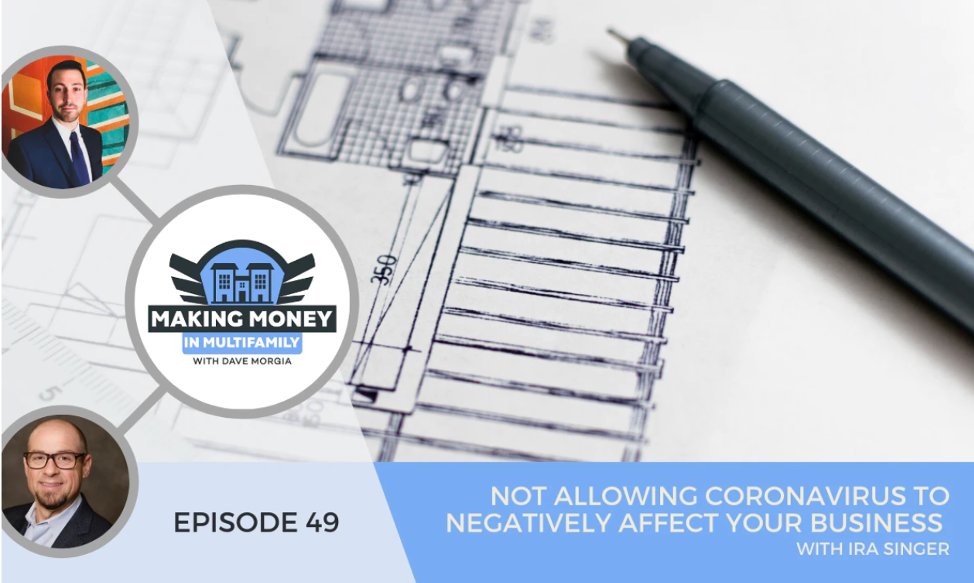
Our Principal Ira Singer was featured on the Making Money in Multifamily Podcast, which focuses on topics related to multifamily real estate investment by providing high-quality information and practices to help businesses succeed.
On the podcast, Ira and host Dave Morgia discuss why the novel coronavirus should not prevent you from beginning work on your next multifamily project, and how Mosaic Construction is managing its worksites with our unique client service approach that has allowed the team to continue operating while following health and safety guidelines to prevent the spread of COVID-19.
You can listen to the podcast here.
Our Response to COVID-19

(Updated April 10, 2020)
As we continue our work as an essential industry, we are taking unprecedented precautions to slow the spread of COVID-19, and to support our workers and trade partners who continue to arrive on our job sites and work every day. Our job sites are all continuing to move forward, and work is being conducted with care, with an eye to social distancing on the job site as much as possible, as well as increased sanitation, signage and protective equipment. If you have any questions about our response, please contact us at info@mosaicconstruction.net.
(Updated March 16, 2020)
To our valued clients, friends and family,
We care deeply about the health, safety and business success of everyone in our community, and about the quality and timely delivery of our projects under management. We want to personally provide you updates on the actions we are taking as we strive to deliver the best possible service given the current COVID-19 pandemic and related economic factors.
As this highly dynamic situation evolves, we will continue to monitor and adapt our approach as new information becomes available and will post that information here on this page.
While many of our team members are working remotely to answer any questions you may have, our Project Managers, at this writing, are continuing to work on-site and in our office overseeing current projects.
Please take a moment to review our policy below. Updates will appear above this note as they occur; we invite you to bookmark this page for new updates.
We’re all in this together; thank you for being an important part of our community.
Ira Singer, Mike Frazin & Andy Poticha
Principals
Mosaic Construction
Design Construction Concepts
Cannabis Facility Construction
Coronavirus Workplace Policy (as of 3/16/2020, subject to change)
As our Company continues to monitor the local, national and worldwide incidence of the coronavirus and the illness it causes, COVID-19, We continue to plan construction activities and if the situation changes it will be addressed on an ongoing basis. Trade Partners are asked to review the following workplace policies and guidance while they continue to work on projects and provide necessary services. It is likely this information will change as the situation evolves and more becomes known. Questions may be directed to the Safety Board, Safety@mosaicconstruction.net.
Mosaic’s priorities in setting these workplace policies are to:
- Maintain a safe and healthy workplace, including minimizing the transmission of contagious disease;
- Encourage an ethos of fairness, open communications and concern for the wellbeing of all trades people.
- Being extra vigilant and careful not to infect the jobsites, if possible.
- Providing timely communication to keep everyone informed of the latest developments of policy changes.
- Mosaic’s policy and procedures remain intact and all project operations and construction will be sustained until we hear otherwise from our clients or the government.
Most Important Actions to Take Now
- Create Contingency plans to continue jobsite activities by preparing for increased absenteeism by cross training employees to handle other functions, identifying alternative suppliers, and prioritizing activities onsite to keep moving forward to accomplish critical path items.
- Provide Mosaic Construction notice of any supplier or man-power issue that will affect the delivery or installation schedules.
- All trade partners are urged to take basic preventive measures to avoid exposure to or infection by the virus causing COVID-19.
- Simple measures can help lower your risk of becoming infected. We all have a responsibility to prevent the spread of flu, cold, and other illnesses. Dense social and public spaces can present an increased risk of contracting and spreading illnesses, and prevention is centered on good hygiene:
- Avoid hand to hand contact with others. NO handshakes.
- Provide ALL onsite personnel with alcohol-based hand cleaners (cover all surfaces and rub until dry).
- Cough/sneeze into a tissue. Dispose of used tissues immediately into a trash can. If you don’t have a tissue, cough/sneeze into the crook of your elbow, not your hands.
- Avoid touching your eyes, nose, and mouth, which accelerates the spread of infections.
- Avoid close contact with others who are sick.
- If you are sick, avoid contact with others, including parties, meetings, and events.
- Do not share glasses, eating utensils, water bottles, cigarettes/vapes/JUULs, lipstick/makeup, etc.
- Mosaic affiliates who have recently been in an area of high concern for COVID-19, which is being defined as a CDC Level 3 area, should Inform the Mosaic Safety Board and self-isolate until you receive formal advice from medical professionals.
- Prepare to shut down, if necessary, while maintaining jobsite safety and mitigating damage caused by a shut down.
Jobsite Policies
- Well Employees: Tradesmen who are well are expected at work as usual, even if they have been in contact with or caring for someone who is ill with an ordinary respiratory illness (in which case, typical preventive measures are recommended for them as caregivers). Well employees are expected at work unless they have been:
- caring for someone with a confirmed case of COVID-19, in which case they are required to self-isolate;
- in a CDC Level 3 area of concern;
- Note: If any of these situations apply to you, please confidentially self-report to the Safety Board at Safety@mosaicconstruction.net. The employee should be instructed to refrain from attending work as recommended by medical professionals or the public health board.
- Sick Employees: Team members who have symptoms of respiratory illness must stay home and not come to work until they are free of fever, and any other symptoms for at least 24 hours, without the use of fever-reducing or other symptom-altering medicines (e.g., cough suppressants). A fever is defined as a temperature of 100.4 degrees Fahrenheit or 38 degrees Celsius taken by an oral thermometer. Those with concerns or questions about their illness or seeking advice about whether to come to work are invited to email the Safety Board at Safety@mosaicconstruction.net.
Aidan Baker Joins Mosaic Construction as Project Manager
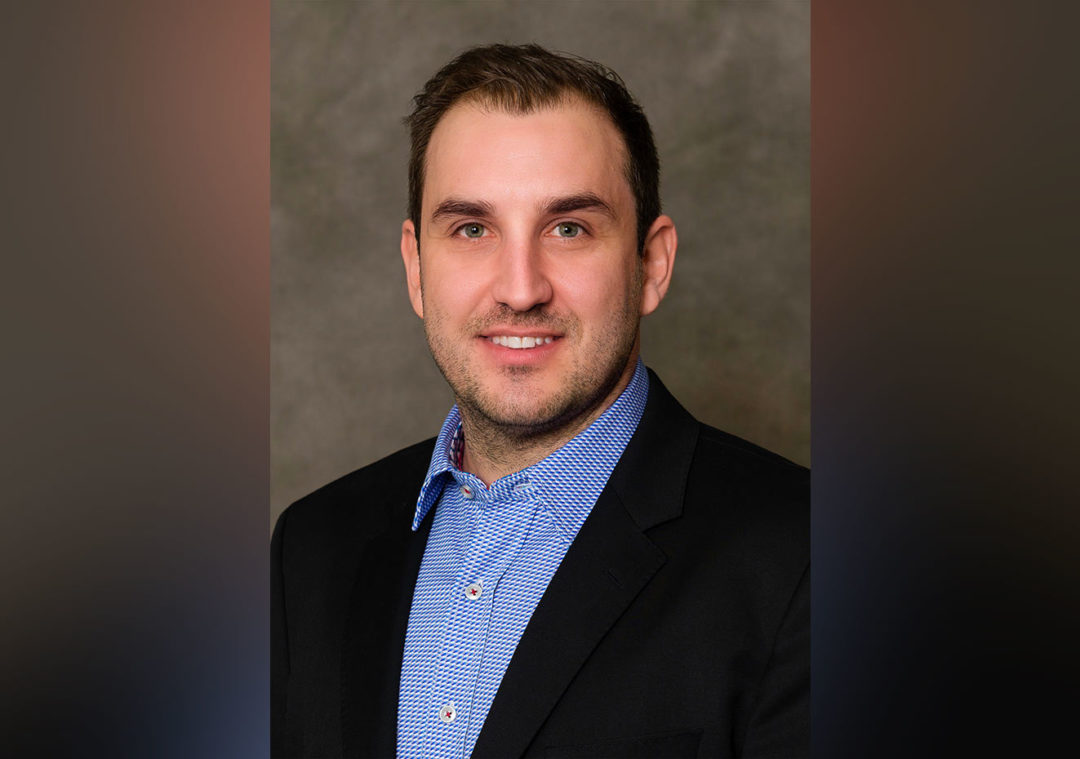
Baker will also serve sister company Design Construction Concepts
CHICAGO, IL (March 2, 2020) – Mosaic Construction, LLC, a full-service design build firm specializing in multifamily residential and commercial renovation, remodeling, and building services, announced that Aidan Baker has joined the company’s rapidly-growing team as Project Manager. Baker brings more than 20 years of experience as a skilled contractor to Mosaic in both New Zealand and the United States. He offers a proven track record of working with highly discerning clients and turning their visions into reality.
In his new role at Mosaic Construction, and its affiliated Design Construction Concepts, Baker will be responsible for daily project excellence, schedule management, working with trade partners, and successful close out of custom residential and commercial projects.
“Aidan brings top-quality service and craftsmanship to our team – qualities we value and know will make a great impact on our business,” said Ira Singer, principal of Mosaic Construction, LLC. “We’re looking forward to having Aidan on our team.”
Mosaic Construction and Design Construction Concepts have earned a stellar reputation for providing superior customer service in executing all elements of the design build process for more than 30 years. Principals include Ira Singer, Andy Poticha and Mike Frazin. The companies’ expertise includes design build renovation, remodeling and construction services for residential and commercial property owners who expect an elevated level of care, and where customer relationships are a number one priority. For more information, call 847-504-0177, visit www.mosaicconstruction.net or visit www.dcc-inc.net.
In 2020, Cannabis Construction Must Offer Security of a Bank, Compliance of a Pharmaceutical Company, Aesthetic of a High-end Retailer
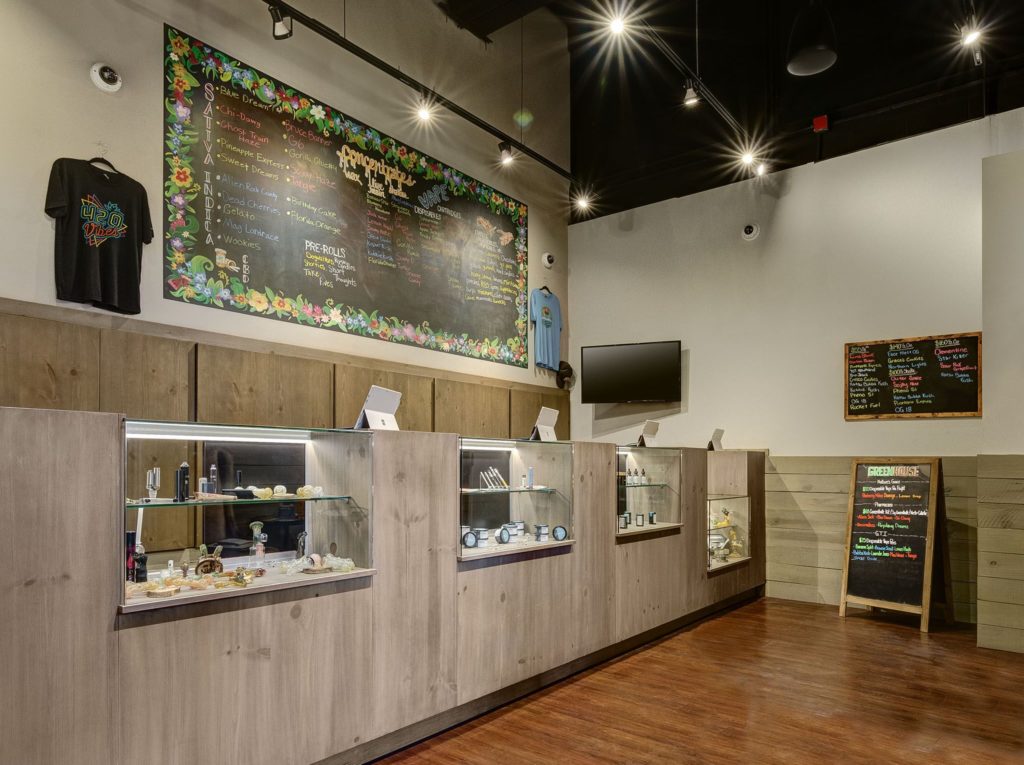
Legal recreational cannabis is a new industry in Illinois—and it’s in dire need of customized facilities. The first month of recreational cannabis sales in Illinois amounted to nearly $40 million. Sales figures spell opportunity both for cannabis companies and for experts in building special-purpose facilities for the industry’s stringent regulations and experience-driven customers.
Andy Poticha, Principal at Cannabis Facility Construction (CFC) has been involved in more than 30 cultivation, processing center and dispensary projects in eight states since 2015. He’s leading renovation projects that offer Illinois more than 35,000 new square feet of cannabis cultivation areas and dispensaries customized for the needs of recreational cannabis customers.
“To become recreational cannabis users’ preferred dispensary, new cannabis license holders must prioritize both compliance and customers in their facility design,” Poticha observes. The design/build process must support two core objectives:
- Prioritize compliance or suffer the consequences. To maintain product supply and operational retail sales, stick to strict protocols and carefully follow building codes related to the handling, storage and distribution of cannabis throughout the supply chain.
- Offer a differentiated customer experience. Product commoditization and restricted in-state cannabis sourcing leads to stiff competition between dispensaries.
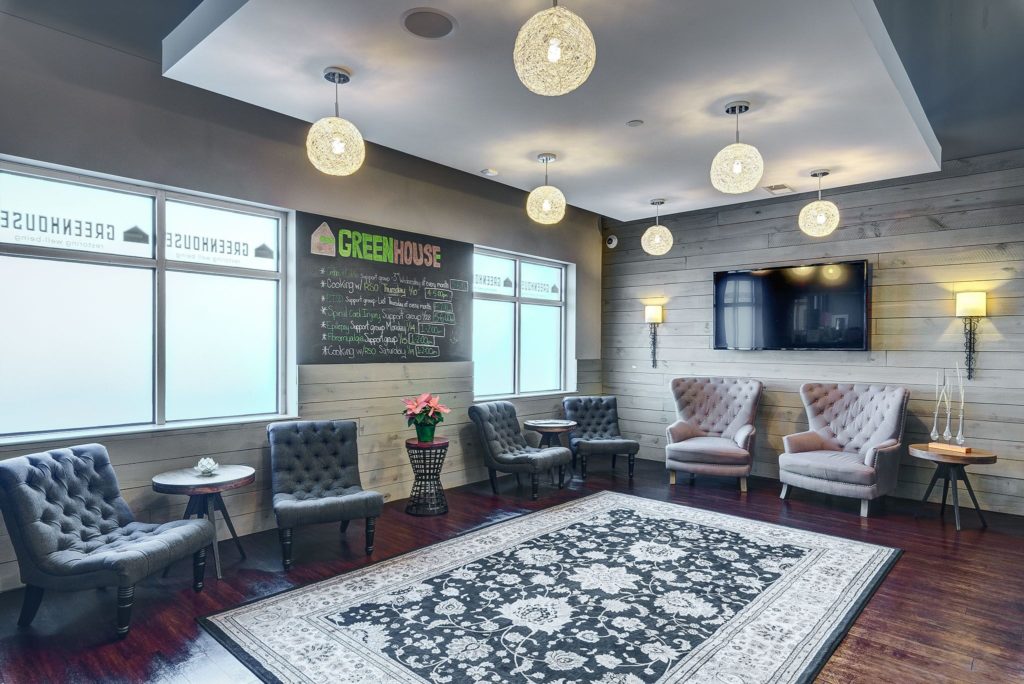
“Cannabis companies need to offer the security of a bank branch, the compliance of a pharmaceutical company, and the aesthetic of a high-end retailer,” said Poticha. “Designing for the customer experience, creating welcoming sales environments that are compliant with regulations, is where dispensaries can find true opportunity to differentiate themselves from the competition.”
For nearly five years, CFC has worked with numerous cannabis companies, including Grassroots Cannabis, a vertically integrated multi-state cannabis company. For co-founder Mitch Kahn, CFC has helped Grassroots embrace these seemingly competing objectives into a cohesive customer experience.
“Partnering with CFC, we have been thoughtful about connecting the design/build process with our customer experience and compliance objectives,” said Kahn. “Together, we identified and solved potential issues early in the design/build process, so that the build-out is supportive of sales, security, and being good neighbors in our communities.”
Stipulated Sum Agreements Make Us the Right Builder for You
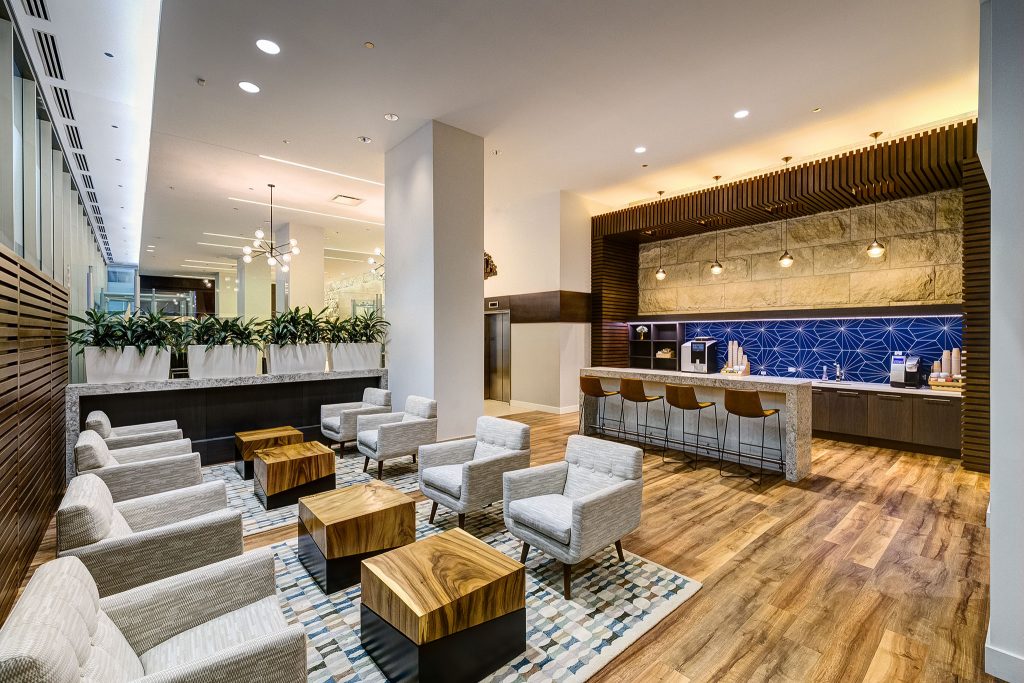
Our goal as a design-build firm is to create value for our clients through outstanding service-delivery and building trusted relationships. One of the many ways we achieve our goal is how we structure our contracts. Our clients want to know what they’re paying for, and we are able to clearly spell that out by providing stipulated sum agreements.
What is a Stipulated Sum?
Also referred to as a lump sum contract, a stipulated sum requires a builder to agree to provide specified services for a fixed price based on labor and material costs. The builder is responsible for executing the job properly and will provide its own means and methods to complete the project. Specifically, we use stipulated sum agreements with our multifamily and commercial projects, and they allow us to better define the scope and schedule of projects.
“The Mosaic Construction way is to be a client-first company in which we anticipate needs and focus on relationship-building,” said Singer. “We’ve always led with this approach, and our clients understand the value of that.” – Ira Singer

Why We Use Stipulated Sums
Mosaic Construction uses stipulated sums so that our clients know what they’re getting, and we know exactly what we need to deliver. Our contracts are predictable and easy to manage and benefit our clients in the following ways:
No Hidden Fees
One of Mosaic Construction’s key differentiators is that we never stick our clients with hidden fees, compared to cost-plus-fixed-fee and other contracts. “Our fees are transparent compared to other contractors,” said Ira Singer, Principal of Mosaic Construction on the This is the Real Estate Investing for Cash Flow podcast. “We have no incentive to say, ‘Okay, it’s going to be this much money for cost.’ Stipulated sums are integral in forging trusted relationships with our clients.”
Predictability
Our clients value the predictability of stipulated sum agreements, especially since they reduce risk and give them more confidence. With an agreed upon sum in place, our clients are not liable for any cost overruns. “We formulate construction based on our time and our investment to manage that project and steward it,” added Singer. “Whatever the cost of the project, our timeframe for completion and our fees will remain the same. In this respect, both parties are incentivized to stay on schedule and finish the job on time.”
Better Collaboration
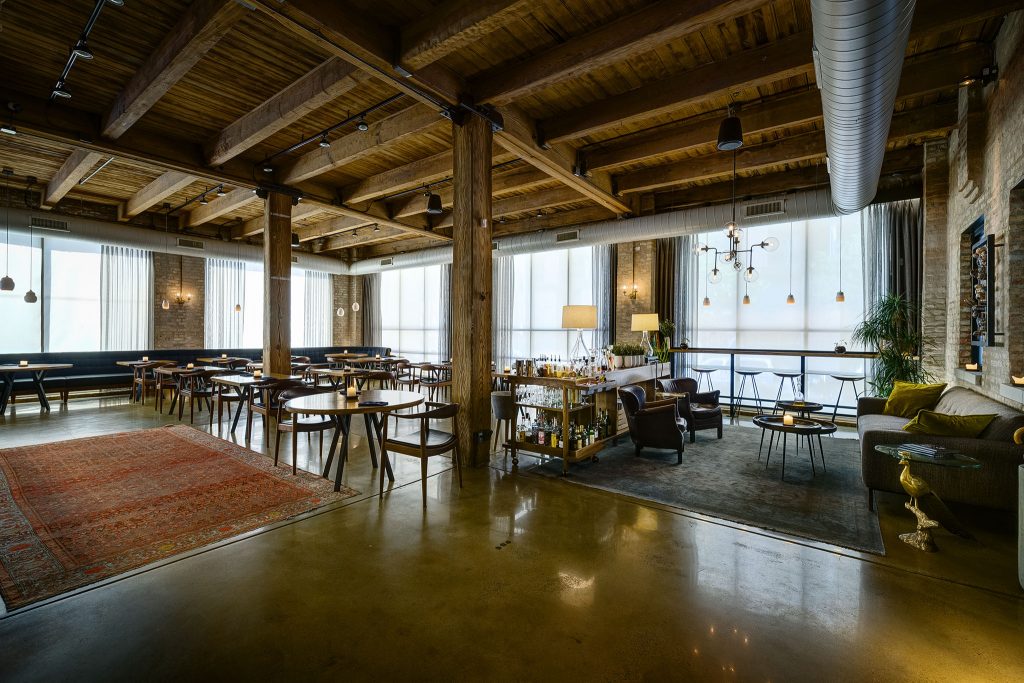
We find that stipulated sum arrangements foster a greater degree of collaboration between Mosaic Construction and our clients. We are able to execute tight project management and more efficient communication to ensure that both parties are adhering to the scope of work. “The Mosaic Construction way is to be a client-first company in which we anticipate needs and focus on relationship-building,” said Singer. “We’ve always led with this approach, and our clients understand the value of that.”
The design-build methodology supports our goal because it allows us to streamline the construction process, which ultimately benefits our clients and our management team. “We view our projects as investments in our clients’ growth and development,” added Singer. “We never think in terms of being one and done; rather, we create an atmosphere where our clients can focus on business development, while we do the best work possible for them.”
2019 Multifamily Outlook
As we previously reported, 2018 was a banner year for multifamily housing, with a 44% increase in sales accounting for more than 30% of the total U.S. real estate investment sales. What is the health of the 2019 multifamily housing market through the first two quarters, and where will it go from here? Freddie Mac has answered these questions and more in its Multifamily 2019 Midyear Outlook. Overall, the outlook is positive, showing signs of sustainability and growth for the remainder of the year and beyond.
According to Freddie Mac, “In our research, we find that strong economic growth and the robust labor market continue to support the strength in the multifamily market. Last year ended much stronger than anticipated with near record absorptions and stronger rent growth compared with the prior few years. The first two quarters of 2019 saw mixed results, with slower growth in the first quarter, but preliminary second quarter information indicating the spring leasing season is off to a strong start. Along with the strong fundamentals, lower interest rates continue to drive origination volume higher throughout 2019.”
Low Unemployment is Having a Favorable Impact
It is anticipated that the labor market–with low unemployment and wage growth–will continue to drive housing demand, benefiting multi-family properties. As the report states, “Pending any broader economic event that would impact the labor market, there is no real estate specific headwind on the horizon that could disrupt the favorable outlook for multifamily through the rest of this year and into the next.”
Loans Increase While Absorptions Dip
Multifamily originations–or fees associated with processing a loan–are continuing their upward trend from 2018 through the first two quarters of 2019. Originations have increased by 8% to $336 billion. “The 10-year Treasury reached 1.75%, a decline of 150 bps (basis points) from last November,” the report says. “Rate declines generally drive origination volume higher, and with a drop of this magnitude to very low levels, forecasts must be decisively higher than earlier in the year.”
Absorption rates, by contrast, saw strong gains in 2018 only to stall thus far in 2019. “The first quarter of 2019 saw absorptions wane and high levels of new supply entered the market, but strong gains in the second quarter suggests the trends for multifamily are not yet turning.”
“In our research, we find that strong economic growth and the robust labor market continue to support the strength in the multifamily market.”
– Freddie Mac
Higher Demand and Lower Supply
Multifamily demand is outpacing new supply, as there is a shortage of housing compared to households. Total housing completions over the past three years have averaged 1.1 million housing units each year, while the number of households have increased on average 1.4 million. Per the report, “The continued increase in multifamily construction when the overall housing market continues to remain unbalanced is not necessarily an oversupply concern as the economy struggles to build enough housing.”
Steady Growth Ahead
The multifamily market is bright. Freddie Mac projects overall growth for the remainder of 2019 and into 2020 with high-demand spurring on new construction. “As this supply enters the market, we expect vacancy rates to increase throughout the year, but only marginally, up to 5.2%. We anticipate that rent growth will remain healthy at around 4% in 2019.”
Apartment Building Investing – Michael Blank Podcast with Ira Singer
MB 170: MAXIMIZING ROI IN VALUE-ADD MULTIFAMILY DEALS – WITH IRA SINGER
Announcer: This is the Apartment Building Investing Podcast, with Michael Blank, episode 170. Let’s do this.
Announcer: You’re listening to the Apartment Building Investing Podcast, where we’ll talk about all aspects of buying apartment buildings with a special focus on raising money from others.
Announcer: And now, your host, Michael Blank.
Michael Blank: Hey everyone, and welcome to the show. I am your host, Michael Blank. I’m super excited that you’re here to learn more about apartment building investing. The best way to become financially free with real estate.
Michael Blank: Excited about today’s show. We’re going to talk about construction today, and the different ways that we can build value.

Michael Blank: So actually I have two guests. A construction expert, and someone who’s very, very intimately familiar with ROI based on amenities, and other improvements. So we’re going to really drill in on how to manage a construction company, and different ways you can add value to a value-add deal.
Michael Blank: I also want you to know, I’m being really, really active, or trying to be, on social media. Actually on the Facebook page, and Instagram, the handle is themichaelblank, that’s T-H-E- Michael B-L-A-N-K. So hang out with me there. Say hello.
Michael Blank: I also have a new Facebook group called Apartment Investor Networks. I’ve got several thousand people on there, and so myself, and our mentors, and our advisors, are active there. It’s a great place for you to ask questions. So make sure you check us out.
Michael Blank: Hey, in a couple of weeks, we’re going to be at Deal Maker Live. That’s July 26, 27, in Dallas. We still have a few tickets left. We’re expecting well over 500 people there, and we just added a few more tickets to that. So head over to dealmakerliveevent.com, or just google Deal Maker Live, and try to grab your tickets before they’re all gone. So we’re going to have a huge lineup of multifamily experts there, including Robert Helms, real estate guys Joe Fairless, Michael Becker, Adam Adams, Corey Peterson, and our keynote is Hal Elrod, the author of The Miracle Morning. Super excited to get to know him a little bit more, as well.
Michael Blank: All right. So with that, let’s get right into the show here, to learn about construction and ROI.
Michael Blank: Ira, welcome to the show today.
Ira Singer: Thank you. How are you?
Michael Blank: Very good. Very good. So we’re going to get all into construction, and ROI to get out of that construction. So I’m really excited to get into it.
Michael Blank: Before we get started, just give us a quick background on you and your company.
Ira Singer: Thank you. My name is Ira Singer. I am one of the principals at Mosaic Construction. We are a general contractors in Northbrook, Illinois, with a construction management practice that prefers the design build methodology, where we are at the table, helping with selection of finishes, scope of work, pre-budgeting.
Ira Singer: But we are experienced and adept at working in the multifamily industry, both in asset classes from market rate, to affordable, into senior housing. We’ve worked in student housing. We’ve done, in our geographic, and adjacent to our state, we’ve had value-add. We’ve had repairs, exterior work. There’s a lot of things that we have experience in, from both an exterior, and an interior point of view. We’ve worked in units. We’ve made accessibility choices with our clients. So it runs the gamut.
Ira Singer: I’m looking forward to our discussion, and what I can help your listeners with. So let’s get going.
Continue reading “Apartment Building Investing – Michael Blank Podcast with Ira Singer”
Home-Sharing is Creating Value for Multifamily Property Managers
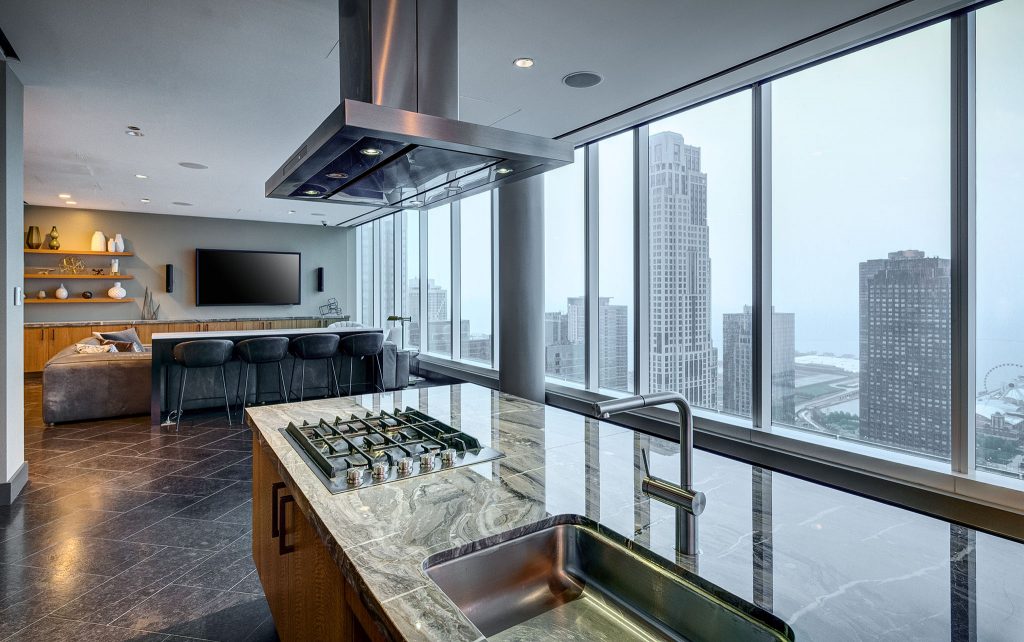
Home-sharing is a multi-billion dollar industry that is gaining momentum with unlikely allies: multifamily property managers. Traditionally, multifamily property managers have made cash off long-term leases and rent costs and prohibited home-sharing because they violated rules and regulations. But a report from the National Multifamily Housing Council (NMHC) estimated that about 65% of recent Airbnb bookings were in multifamily buildings, including apartments, condos and even in-development hotels. It also found that 43% of property managers have had short-term rentals occur without their approval. To legitimately meet the home-sharing demand, companies are bringing their innovations to multifamily property managers. Apartments Doubling as Hotels
Among the operational challenges that multifamily managers encounter is what to do during dry leasing periods. Enter companies like WhyHotel and Stay Alfred that take un-leased apartments and convert them into furnished, amenitized hotel units. This pop-up hotel model has been gaining traction. Zak Schwarzman, an investor in WhyHotel, told Forbes, “It’s no surprise that companies in this category with a clear value prop are receiving a warm reception from the multifamily community. WhyHotel offers developers significant newfound revenue by managing their yet-to-be-rented inventory as short-term hospitality during a building’s lease-up period. Who would say no to that?”
Stay Alfred focuses on market rate properties, providing a more upscale, short-term hospitality experience. In addition to furnishing empty units, the company rents them and staffs the buildings. Legitimate Short-Term Rentals
To eliminate the notion of black market short-term rentals, multifamily managers are taking a proactive approach to the leasee-turns-landlord problem. YOTELPAD in Miami became the first condo community to permit restriction-free short-term rentals. David Arditi, founding principal of Aria Development Group, the developer of YOTELPAD, told Forbes, “We’ve heard many stories of residential buildings having to deal with owners who are trying to skirt local legislation by renting out their units on a short-term basis. They are typically not allowed to do so given condominium association and zoning restrictions. We thought, why not do something that addresses this head on and gives people the option to do what they are asking for?”
Making life easier for multifamily property managers are companies like San Francisco-based Pillow, which provides the tools for property managers to control all short-term rental hosting in their buildings, as well as share in the revenue, ensure local regulatory compliance, and insure against damage.

NMHC/NAA Support
Multifamily home-sharing has the support of NMHC and the National Apartment Association, two of the most influential industry and advocacy organizations. “NMHC/NAA support the right of multifamily firms and other property owners to participate in all aspects of the sharing economy, if they so choose, and if it is done in full compliance with existing law and regulations,” according to an NMHC home-sharing fact sheet. The fact sheet emphasizes that the choice is ultimately up to multifamily property owners, but it encourages the practice as it creates additional revenue streams. “Policymakers at all levels wanting to regulate the short-term rental market should be cautious as to not inhibit the benefits of the sharing economy, while ensuring that the protection of private property rights and contractual obligations between property owners and residents are respected.”
What’s Next?
Multifamily home-sharing is more than a trend and will seemingly continue to evolve. We previously covered Airbnb’s entrée into the multifamily property manager partnership with its Niido brand, which launched its flagship property in Orlando. The program has been so successful that the company is expanding into Nashville with plans to open up to 14 more properties by 2020. This combined with the momentum of short-term rentals positions the home-sharing model to generate more cash and lower operational costs to reduced unit turnover and improved brand awareness for multifamily property managers.